
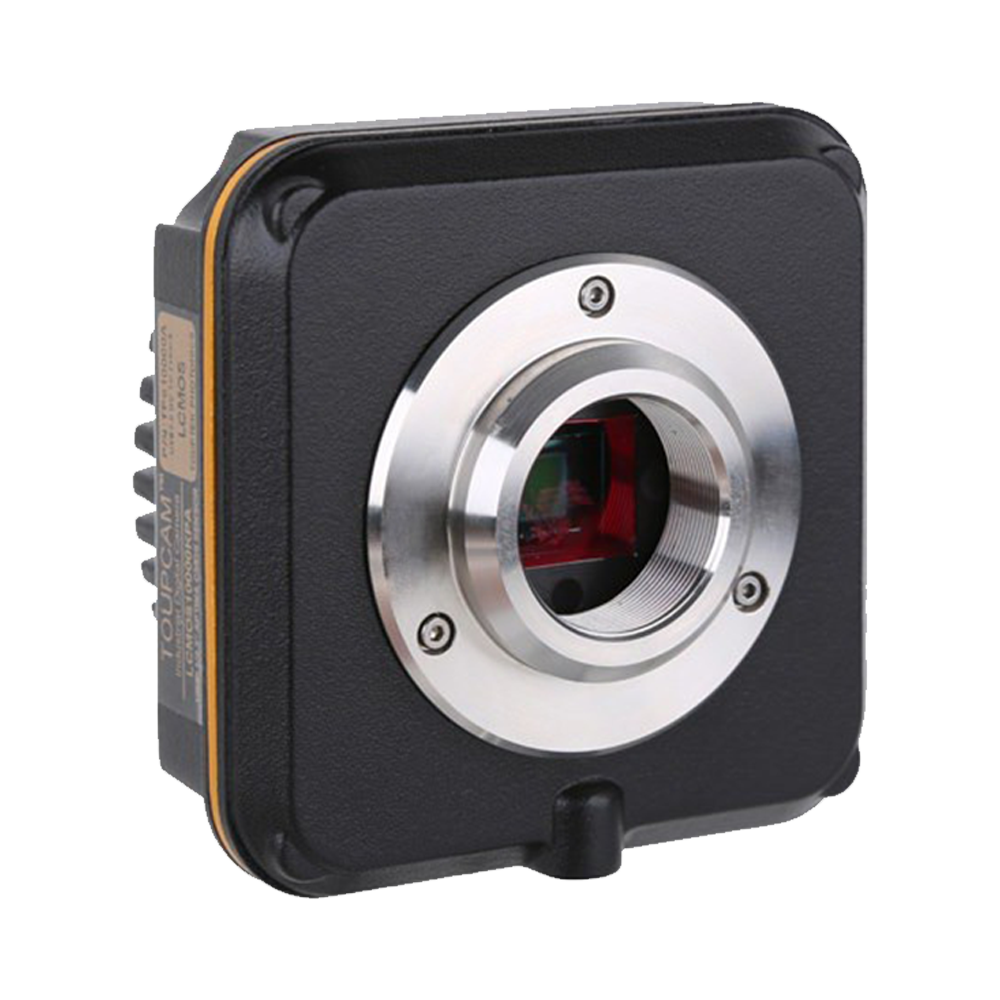
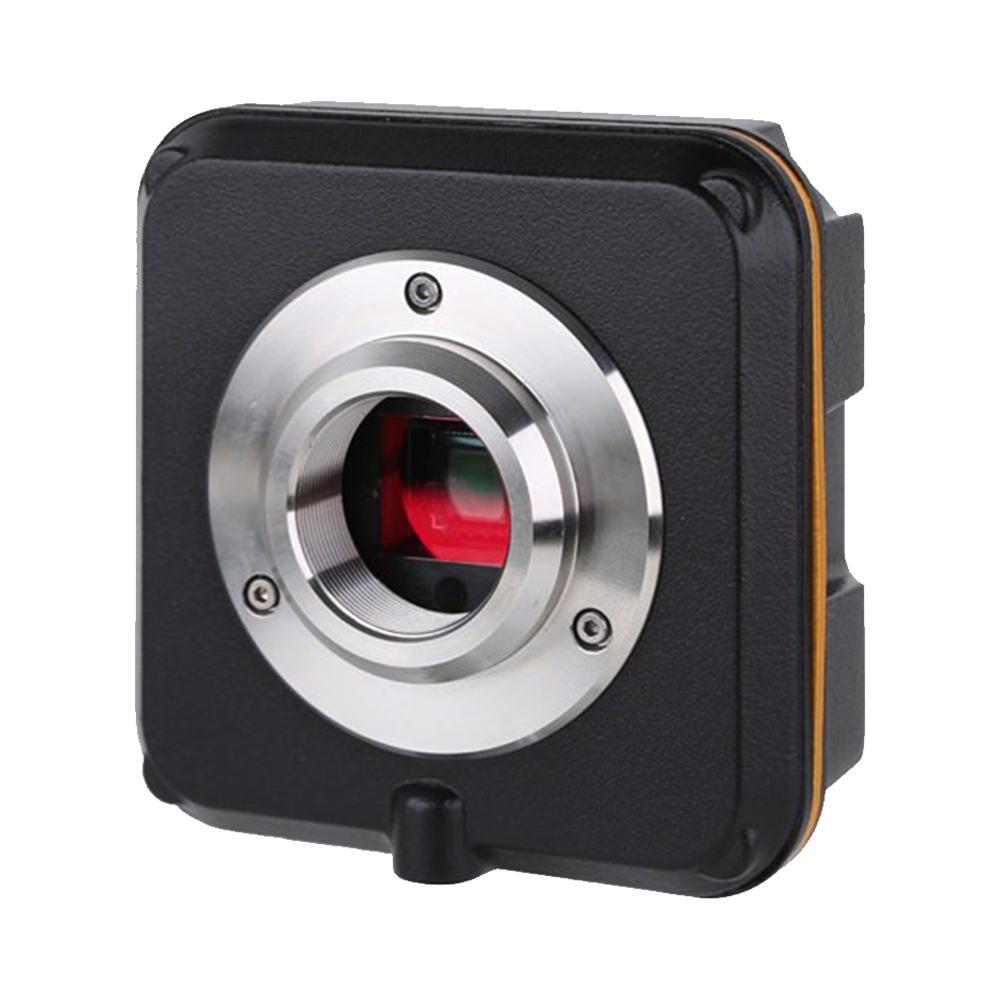
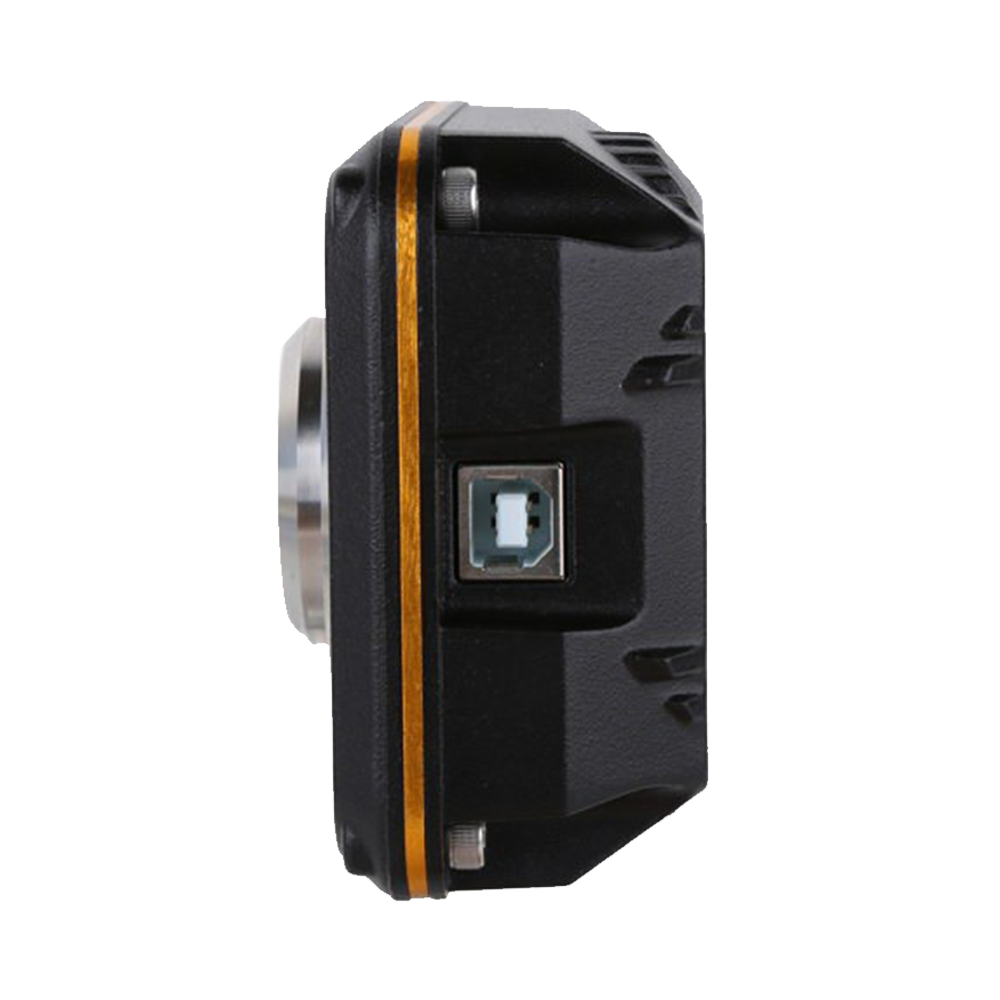
LCMOS02000KPB (Discontinued) Microscopy Cameras/Microscope Cameras
Product Introduction
The LCMOS02000KPB (discontinued) once utilized a specialized color CMOS sensor delivering a high frame rate 2-megapixel imaging solution. The 3.2 µm ultra-large pixel design provided good performance for low-light microscopy imaging at that time, while the 16 fps full-resolution frame rate met dynamic observation requirements. This classic model's application on the USB2.0 platform provided important experience for subsequent high frame rate product design and has now completed its historical mission.
Key Features
- Specialized color CMOS sensor with early customized solution (discontinued model)
- 2-megapixel resolution with classic 1600×1200 format
- 3.2 µm ultra-large pixel design in 1/2.6-inch sensor size
- 61 dB basic dynamic range meeting routine microscopy applications
- 1.0 V/lux-sec standard sensitivity adapting to basic lighting environments
- USB2.0 stable transmission with onboard buffer anti-frame-loss technology
- C-mount interface with standard optical system compatibility
- Ultra-Fine color processing providing basic image optimization
- High frame rate advantage delivering 16 fps@full resolution
- Ultra-high-speed response providing 40 fps@half resolution
- Premium mechanical structure with classic manufacturing craftsmanship
- Discontinued - important component of product development history
Product Details
| Key Parameters | |
| Model | LCMOS02000KPB (Discontinued) |
| Sensor | Special (C) |
| Effective Pixels / Resolution | 2.0MP (1600×1200) |
| Frame Rate (Full Resolution) | 16 fps@1600×1200; 40 fps@800×600 |
| Shutter Type | Rolling Shutter |
| Color Type | Color |
| Imaging Performance | |
| Pixel Size | 3.2 µm × 3.2 µm |
| Sensor Size | 5.12mm × 3.84mm |
| Diagonal | 1/2.5" (6.40 mm) |
| Dynamic Range | 61 dB |
| Bit Depth | 8-bit |
| Sensitivity | 1.0 V/lux-sec |
| Interface & Mechanical | |
| Data Interface | USB2.0 |
| GPIO | TBD |
| Lens Mount | C-mount |
| Dimensions | TBD |
| Weight | 0.7~0.8Kg |
| Power Supply | USB powered |
| Environment & Certification | |
| Operating Temperature / Humidity | -10 °C ~ +50 °C / 30%~80%RH |
| Storage Temperature / Humidity | -20 °C ~ +60 °C / 10%~60%RH |
| Operating System | Windows XP/Vista/7/8/10/11(32&64-bit)/OS X/Linux |
| Certification | CE, FCC |
Product Overview
LCMOS02000KPB (Discontinued) is a digital camera specifically designed for microscopic imaging applications, featuring a Special (C) high-performance image sensor with the following characteristics:
- Exceptional Imaging Quality: 2.0MP (1600×1200) resolution with 3.2 µm × 3.2 µm pixel size, sensor size of 5.12mm × 3.84mm , ensuring clear detail presentation
- Low-Light Imaging Characteristics: Features Rolling Shutter design, supports color imaging, suitable for brightfield, darkfield, phase contrast, fluorescence and other microscopy observation methods
- High-Speed Data Transmission: Utilizes USB2.0 interface with maximum frame rate up to 16 fps@1600×1200; 40 fps@800×600 , supporting real-time preview and rapid capture
- Color Reproduction: 8-bit color depth with dynamic range reaching 61 dB , accurately reproducing sample colors
- Ultra-High Sensitivity Performance: Excellent low-light performance with sensitivity of 1.0 V/lux-sec , suitable for fluorescence and low-light sample observation
- Optical Compatibility: Standard C-mount interface, compatible with various microscope brands, optional 0.5×/0.63×/1× adapters available
- Compact Design: Overall dimensions of only TBD , weighing 0.7~0.8Kg , powered by USB powered , no additional power supply required
- Software Support: Includes professional microscopy imaging software ToupView, supports Windows XP/Vista/7/8/10/11(32&64-bit)/OS X/Linux systems, provides measurement, annotation, stitching, focus stacking and other functions, supports C/C++, C#, Python, ImageJ, μManager development environments
Core Performance Indicators
Resolution
2.0MP (1600×1200)
Frame Rate
Up to 16 fps@1600×1200; 40 fps@800×600
Pixel Size
3.2 µm × 3.2 µm
Data Interface
USB2.0
Fluorescence and Low-Light Microscopic Imaging Features
Professional Fluorescence Applications
Optimized for biomedical research, cell biology, and molecular imaging needs, supports brightfield, darkfield, phase contrast, fluorescence and low-light observation methods
Excellent Color Reproduction
Precise color reproduction algorithms and white balance control ensure accurate and true sample colors, meeting professional needs such as pathological diagnosis
No-Frame-Loss Technology
Built-in buffer technology ensures no frame loss during continuous imaging, critical for fluorescence time-lapse and dynamic observation applications
Image Processing Capabilities
Supports real-time image enhancement, focus stacking, image stitching and other advanced functions, improving observation effects and imaging quality
Why Choose This Fluorescence Camera
The LCMOS02000KPB (Discontinued) fluorescence microscopy camera, with its ultra-high sensitivity, no-frame-loss technology, and professional software support, is an ideal choice for advanced fluorescence and low-light microscopy applications. Whether for live cell imaging, fluorescence time-lapse, or molecular biology research, it provides sensitive, stable, and reliable microscopic image recording and analysis solutions.
LCMOS02000KPB (Discontinued) Product Manual
PDF format, includes detailed technical specifications and dimensional structure
SDK Development Kit
Supports Windows, Linux, macOS and other platforms
3D Model Files
STEP format, for mechanical design integration
Packing List #
Standard kit and packaging for the LCMOS large-pixel USB2.0 CMOS camera series
Standard Items
- Shipping carton: L 40 cm × W 36 cm × H 36 cm (16 pcs, 12–17 kg per carton)
- Inner box: L 16.4 cm × W 16.4 cm × H 9.6 cm (0.70–0.80 kg per box)
- LCMOS series camera (1 pc)
- High-speed USB2.0 Type-A male to Type-B male gold-plated cable (2.0 m)
- Software CD (drivers and application suite, Ø 12 cm)
Optional Accessories
- Adjustable eyepiece adapters
Dia. 23.2 mm eyepiece to C-mount: 108001/AMA037, 108002/AMA050, 108003/AMA075
Dia. 31.75 mm eyepiece to C-mount: 108008/ATA037, 108009/ATA050, 108010/ATA075 - Fixed eyepiece adapters
Dia. 23.2 mm eyepiece to C-mount: 108005/FMA037, 108006/FMA050, 108007/FMA075
Dia. 31.75 mm eyepiece to C-mount: 108011/FTA037, 108012/FTA050, 108013/FTA075 - 108015 (Dia. 23.2 mm to 30.0 mm ring) – adapter ring for 30 mm eyepiece tubes
- 108016 (Dia. 23.2 mm to 30.5 mm ring) – adapter ring for 30.5 mm eyepiece tubes
- 108017 (Dia. 23.2 mm to 31.75 mm ring) – adapter ring for 31.75 mm eyepiece tubes
- Calibration reticles
106011/TS-M1 (X = 0.01 mm / 100 divisions)
106012/TS-M2 (X, Y = 0.01 mm / 100 divisions)
106013/TS-M7 (X = 0.01 mm / 100 divisions; 0.10 mm / 100 divisions)
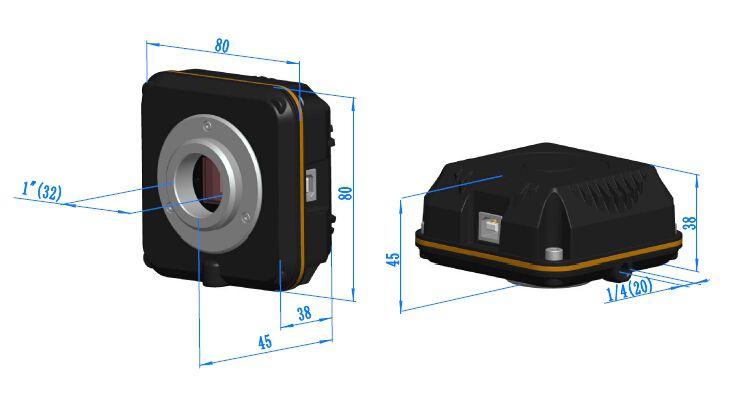
Product Dimensions #
Mechanical outline for LCMOS large-pixel USB2.0 CMOS cameras
LCMOS cameras are ToupTek’s high-sensitivity, high-performance USB3.0 CMOS microscopy cameras engineered for fluorescence, low-light, and scientific research workflows. Sony Exmor / Exmor R back-illuminated CMOS sensors deliver outstanding quantum efficiency and ultra-low read noise, while the hardware image pipeline and large buffer architecture provide scientific-grade imaging quality and integration flexibility.
Key Features
Back-Illuminated Sony Sensors
Exmor / Exmor R architecture with exceptional quantum efficiency and ultra-low noise.
Hardware ISP Engine
On-board noise reduction, color correction, gamma, and demosaic processing.
High-Capacity DDR3 Buffer
Works with USB3.0 to secure high-resolution, real-time transfer.
Intelligent Image Control
Auto exposure, white balance, and gain with live parameter adjustments.
Performance Highlights
Resolution Range
2–14 MP
Multiple sensor optionsFrame Rate
45+ fps
At full resolutionExposure Range
0.1 ms–60 s
Ultra-wide control rangeData Depth
8 / 12 bit
Scientific dynamic rangeIn-Depth Technical Overview
Scientific-Grade Back-Illuminated Sony CMOS Sensors
LCMOS cameras employ Sony Exmor and Exmor R back-illuminated CMOS architectures—among the most advanced sensor technologies available. The back-illuminated design places the photodiode above the circuitry to maximize photon collection, delivering quantum efficiency beyond 95%. Read noise below 1.5 e⁻ unlocks exceptional low-light performance for fluorescence imaging, live-cell observation, and other sensitivity-critical tasks. Pixel sizes from 2.4 µm to 6.0 µm strike a balance between resolution and sensitivity.
High-Performance Hardware ISP Engine
A built-in hardware ISP (image signal processor) handles real-time noise reduction, color correction, demosaicing, and gamma adjustment. Compared with host-side processing, the hardware pipeline reduces PC load, accelerates throughput, and minimizes latency. As a result, the camera preserves outstanding image quality even at high frame rates, ensuring that research applications receive reliable, high-fidelity data.
High-Capacity DDR3 Buffer Technology
On-board DDR3 high-speed memory works alongside the USB3.0 interface to form a stable, efficient data pipeline. The generous buffer keeps acquisition smooth and lossless even at maximum resolution and frame rate. Typical models deliver more than 45 fps at full resolution, while ROI and binning modes push the rate even higher. The design excels in time-lapse capture, dynamic process recording, and other applications that demand uninterrupted acquisition.
Comprehensive Intelligent Image Control
Automated exposure, white balance, and gain dramatically simplify operation. Exposure time is adjustable from 0.1 ms to 60 s to accommodate lighting conditions from brightfield to extreme low light. Brightness, contrast, saturation, and sharpness are all tunable in real time. Users can output 8-bit or 12-bit data, with the higher bit depth offering expanded dynamic range for fluorescence and scientific imaging. Flexible 2×2 and 4×4 binning modes further improve low-light sensitivity.
Scientific-Grade Reliability Design
Precision CNC-machined aluminum alloy construction delivers excellent heat dissipation and electromagnetic shielding. The fanless, vibration-free design avoids the interference and noise associated with active cooling, allowing stable long-duration operation. Passive thermal management keeps the sensor within its optimal temperature range, reducing dark current noise. This reliability makes the camera ideal for long-term unattended deployments and integration into automated research platforms.
Applications
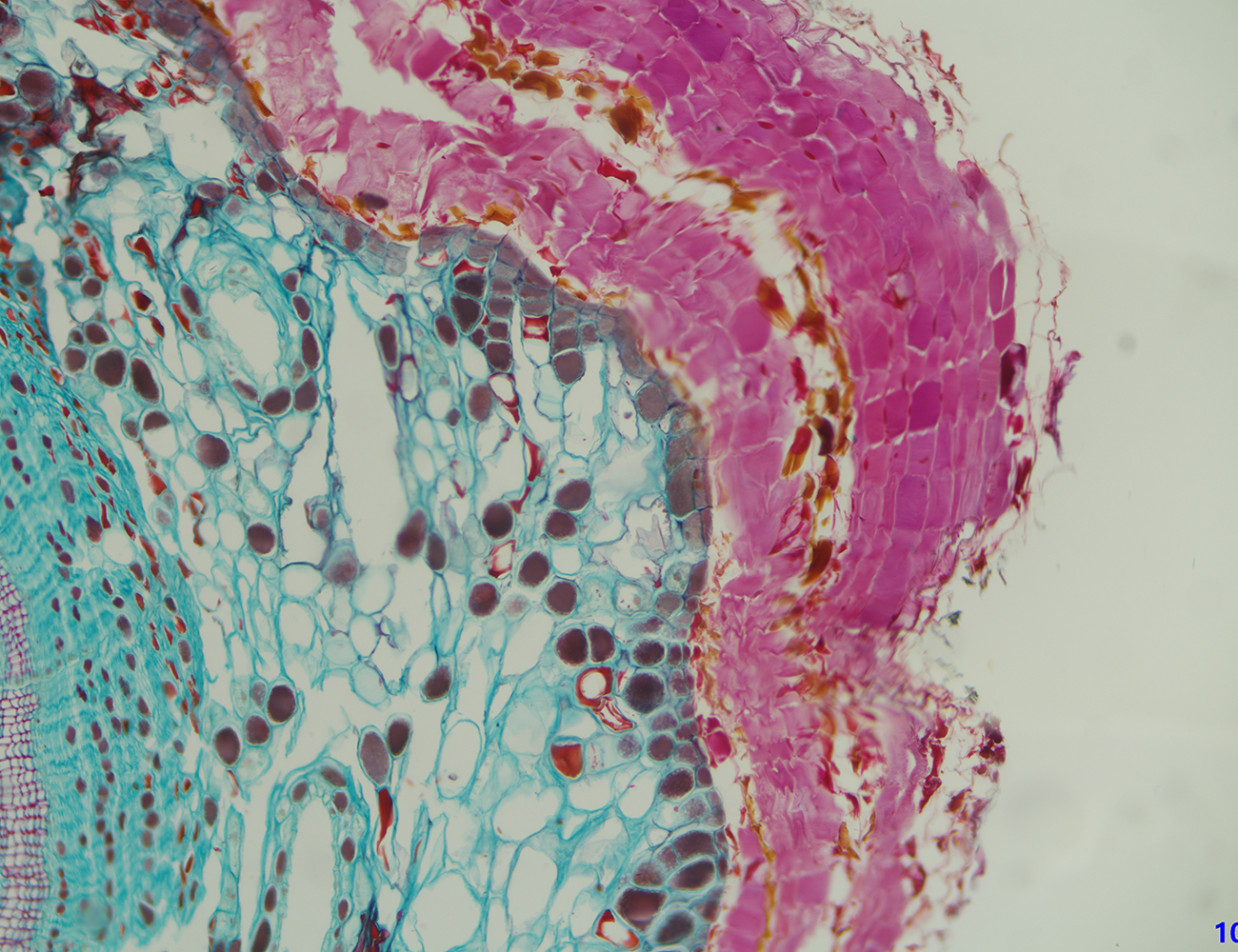
Representative microscopy applications for the LCMOS high-sensitivity series.
LCMOS Series Advantages
Research-Grade Imaging
Back-illuminated CMOS technology.
Hardware ISP
Real-time image processing.
DDR3 Buffer
High-speed, stable transfer.
Ultra-Low Noise
Outstanding low-light imaging.
Extended Exposure
Up to 60 s integration.
12-bit Depth
Scientific dynamic range.
Fanless Design
Zero vibration and noise.
Open SDK
Easy system integration.